Last updated on December 21st, 2025 at 08:07 am
Look, I’ll be real with you when the first person brought up “Radio Kenwood,” I kind of assumed they were describing a weird radio station or something. Turns out, I was way off.
Radio Kenwood has nothing to do with a station. It’s actually one of the top names in amateur radio gear, and you’ll notice once you get into ham radio that there is Kenwood everywhere. Allow me to explain what makes this brand worth knowing about, especially if you are just beginning to get interested in amateur radio.
So What the Hell is Radio Kenwood?
The short version: Kenwood is a Japanese company, which has been producing radio communication equipment since the 40s. Born as Kasuga Radio Co. in 1946, by 1958 they had produced their first amateur radio. That’s more than 75 years of making radios.

It wasn’t just the history, though, that caught my eye. It’s that Kenwood got with the times. They went from simple analog radios in the ’50s to sophisticated digital systems that link up to the internet. Think touchscreens, software integration and features that would have seemed like science fiction less than a decade ago.
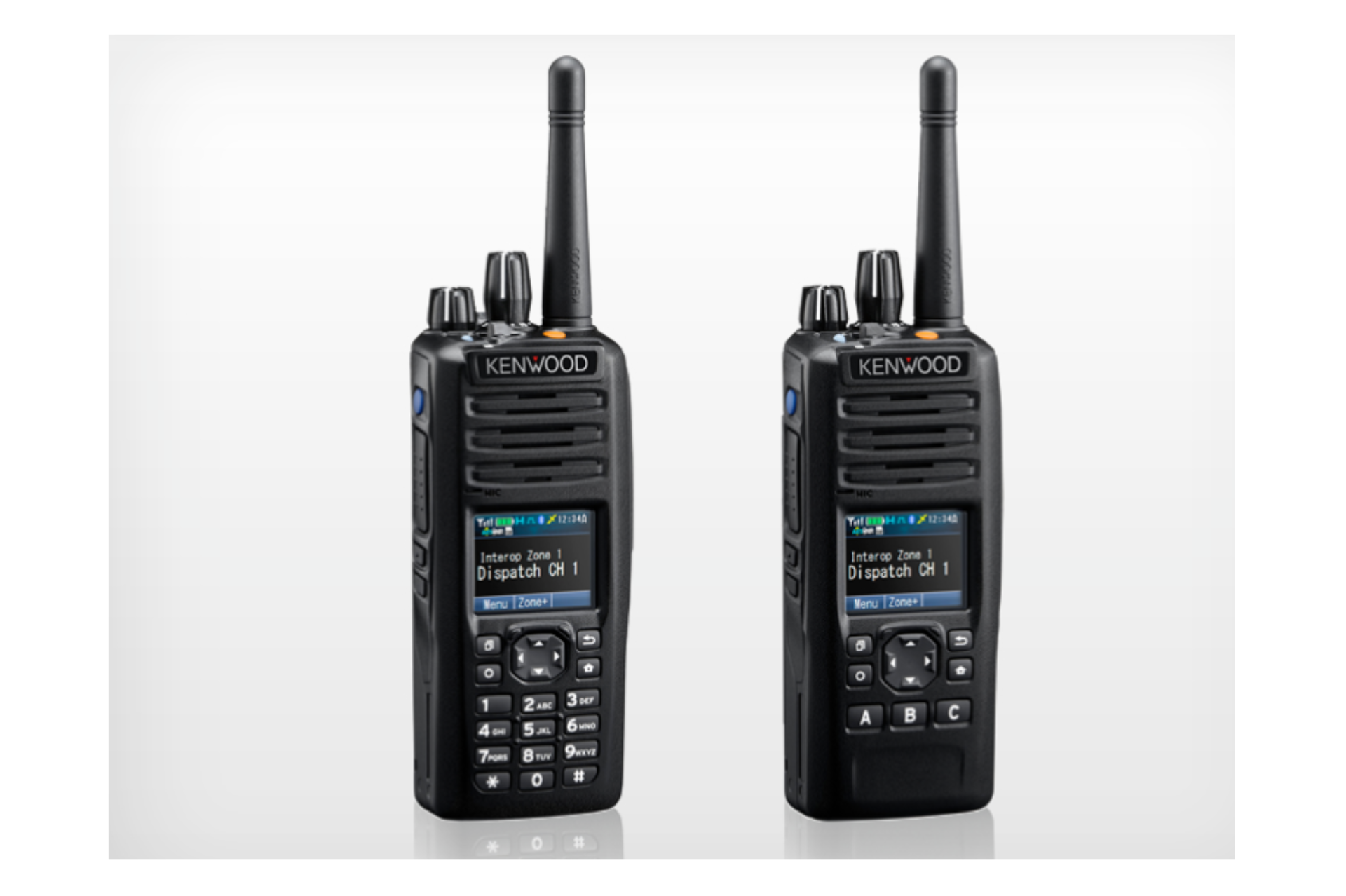
When people say “Radio Kenwood,” they generally mean the brand’s line of transceivers devices that can both transmit and receive radio signals. They range from hand-held walkie-talkies to huge base station setups that resemble mission control.
Why is Kenwood important to beginners?
Here are some things I wish someone had told me when I started: Not all radio brands are created equal.
I took a glance at some other manufacturers and one that kept cropping up in the beginners’ recommended list was Kenwood. There’s a reason for that. Their entry level hand held radios (I have the TH-K20A) won’t break the bank and are rugged to boot. RCS Communications also provides free manuals for just about every model, which is big when you are in the learning process.
It also operates something called KENWOOD University free online tutorials that will help you get from basic operation to programming digital modes. I spent a weekend reading through all of their guides and it actually saved me hours of aggravation.
Why Modern Kenwood Radios Stand Out
This is the interesting part. Kenwood didn’t stick to old-school analog tech, either.
Their newer models rely on something called Digital Signal Processing (DSP). Without going too deep, this effectively translates to cleaner audio, better ablution of noise and increased control over what you’re hearing. I operated on a friend’s TS-2000 series, and the difference between that and an older analog radio was like day and night.
There’s also D-STAR a digital data interface that allows you to transmit voice, data and even GPS location info. This is built into Kenwood’s TH-D74A handheld. It’s crazy to think that you can text off of a radio or map your location while out in the woods, without cell service.
New Kenwood (and many other current brand models) rigs also use USB or Ethernet. That means you can run your radio from a laptop, update its firmware yourself or even use it remotely. For a digital native, it all felt way more intuitive than I had anticipated.
Getting Started: Your Practical Roadmap
Alright, so you’re interested. Here’s what should really happen.
Step 1: Get Licensed
You can’t just go and buy a radio and start transmitting. The use of amateur radio is restricted in the majority of countries. In the U.S., you have to pass a test administered by the FCC. Don’t be alarmed. it’s not that difficult. Online, the A.R.R.L. provides free practice tests, and most people pass after a few weeks of casual study.
Step 2: Click Here to Select Your First Radio
Start small. A handheld such as the TH-K20A or the TH-D74A is ideal for a beginner. They are good for VHF and UHF (bad if you are interested in DX on those bands). You’re staring down the barrel of anywhere between $100 to $400, depending on features.
If you want to save money, go peruse used equipment on ham swap sites! All Kenwood gear lasts well so it’s not risky buying secondhand.
Step 3: Learn the Basics
Watch a few YouTube videos before you spend any money. The channel “Ham Radio Crash Course” offers how-tos for programming radios and installing antennas. I’d seen at least 20 videos before I even picked up a transceiver.
QRZ Forums is another goldmine. People ask model-specific questions, and the community responds with help instead of gatekeeping.
Step 4: Locate a Community Near You
Amateur radio is not a solitary pursuit. Local clubs will hold events, provide training and sometimes lend equipment to beginners. Try Googling “amateur radio club” plus the name of your city and you likely will find a group that meets monthly.
The Real Challenge (And Response)
What about the learning curve. It’s steep. I am not going to put on a happy face and sugarcoat it.
At first glance, the menus on DAB radios can appear intimidating. You have DSP menus, memory channels, tone squelch and nearly fifty other things to decipher. I floundered for days before things just clicked.
My advice? Try simplex mode (direct radio to radio communication) first before attempting to hit the repeaters. Do some practicing with a friend, or better yet, join a local net (a scheduled on-air get-together). Hands-on experience is way more valuable than reading manuals.
Oh, and if software integration sound intimidating, don’t think about it right now. You don’t have to hook it up to your computer immediately. First master the basics, then play around with fancier recipes.
Why It’s Worth the Effort
This is what sold me: Radio Kenwood gear works when nothing else does.
When cell towers fail and the internet goes down during emergencies, amateur radio operators are there to keep communications going. Kenwood’s sturdy construction and battery options ensure that the gear is reliable in a disaster. That’s not just cool it’s actually useful.
And there’s just something fulfilling about reaching a hand across the country, or around the world from Sweden to Scottish Isles and even Antarctica with only radio waves. It’s like the internet, only analog and peculiarly intimate.
Tempted to explore amateur radio? Radio Kenwood is a great place to do some early research. The brand has been around long enough to prove itself, and they don’t exist in the past exclusively. They’ve followed modern tech without completely alienating beginners.
Answer: Grab a prep book, watch some tutorials and see if this hobby is for you. Worst case? You learn something new. Best case? You’ve mastered a skill you can use for the rest of your life.
Read:
TheSparkShop.in: Best Budget Gaming Earbuds Under ₹250

I’m software engineer and tech writer with a passion for digital marketing. Combining technical expertise with marketing insights, I write engaging content on topics like Technology, AI, and digital strategies. With hands-on experience in coding and marketing.