Last updated on December 21st, 2025 at 07:59 am
I understand workplace drug testing can be overwhelming, especially with all the talk of “DOT“ and “non-DOT.” But here’s the thing when you get down to it, knowing what a non-DOT drug and alcohol test is can make all the difference, whether you’re an employer creating a testing program or an employee concerned about what your next test will bring.
So let’s make this as simple as we can.
So What Excatly is a Non-DOT Drug Test?
A non-DOT drug test simply refers to a drug test that’s not taken for federal Department of Transportation regulatory purposes. That’s it. No strict federal rules. No 49 CFR Part 40 requirements looming over your head.
Here’s the main distinction: DOT tests must be done for safety-sensitive jobs (inaudible.c). Well they’ll have to take a test however Non-DOT tests are voluntary and are initiated by an employer. Your company gets to decide if and how and when it does all that.
That flexibility? That’s actually huge.
How It Differs from DOT Testing
When I began researching this, I learned that non-DOT testing actually provides employers with significantly more control.” Here’s what makes it different:

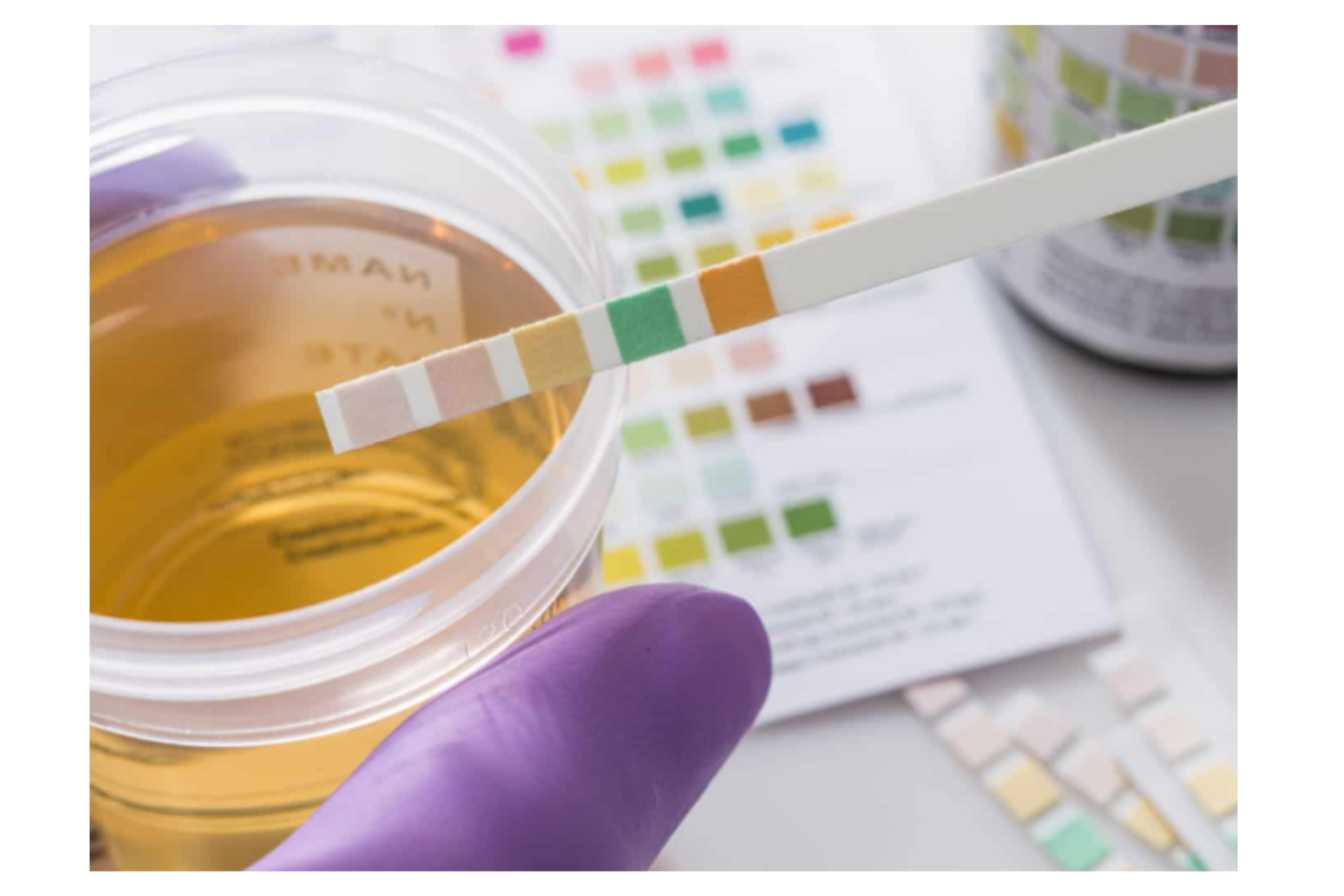
DOT tests are locked in. They screen for five specific drugs THC, cocaine, amphetamines, opiates and PCP. Urine only. Specific timing. Labs have to be SAMHSA-certified. It’s rigid by design.
Non-DOT tests? They’re customizable. Your company can screen for a 5-panel, 10-panel or even 14-plus panel of drugs. You could add barbiturates, benzodiazepines, fentanyl or anything that applies to your sector. And you’re not just limited to peeing in a jar saliva, hair, blood or even sweat patches will do.
The timing is flexible too. Pre-employment, random, annual, post-accident whatever you want. And the haul doesn’t need to be according to strict DOT protocols, but best practices are heavily recommended.
How the Process Actually Works
Here’s what I found: What happens in real time to a company when it conducts a non-DOT drug test
Step 1: Policy setup Your employer determines what they’re testing for and when. This is where you get to see the full power of customization. Small tech company? Maybe just a pre-hire screen. Manufacturing plant? Most likely random testing for safety-sensitive positions.
Step 2: Selecting the Method Here is where it gets a little interesting. The company selects their own specimen type. Most opt for urine, as it is the least expensive, but employers are turning these days to saliva testing because it’s less invasive and harder to tamper with. Some forward-looking companies have brought in portable devices that produce results within minutes.
Step 3: Sampling Non-DOT collection Sample collection for non-DOT testing is much less stringent than that of DOT testing, which requires trained and certified collectors, as well as chain-of-custody guidelines. It may occur on site or at a collection site. The process is also simpler, which translates into faster turnaround.
Step 4: Lab Analysis Here is where you are actually being tested. The lab will do an initial screening (often immunoassay), and if something pops as positive, they’ll confirm it using gas chromatography-mass spectrometry (GC-MS) or liquid chromatography (LC-MS/MS). No guessing.
Step 5: Report & Follow-Up MRO (Medical Review Officer) goes over positive results. If positive, that information is then conveyed to your employer who can then act in keeping with their policy. And there are no federal penalties as with D.O.T. tests it’s just company policy.
Why Companies Are Going Non-DOT
I decided to investigate why employers would prefer this route, and it actually makes sense. They are allowed to make their own rules unimpeded by the federal government. They are free to assess a range of substances, or change the collection methods, or modify frequency based on actual needs.
And with new technologies, non-DOT testing is becoming increasingly flexible. Saliva testing for oral fluid comes back in 6 to 48 hours, and is much less invasive. Some companies are developing wearable biosensors that can identify substances in sweat in real time. There’s even mass spectrometry of drug metabolites in fingerprints now a new method that tests with 99% accuracy and gives near-instant results.
The Real Takeaway
So, what is just a non-DOT drug test? It’s an employer’s weapon to keep a safer, drug-free workplace and not be handcuffed by federal laws. It’s flexible, it can be tailored and it is becoming more tech-forward.
Whether you’re implementing a program at your company, or subject to one as an employee, it all boils down to this non-DOT testing isn’t going anywhere and in fact, it’s becoming more advanced. Mythical: Getting how it works dispels the magic feeling.
Read:
Fortnite UEFN Persona Device: Advanced Creator’s Playbook

Hi, I’m Veena and I’m passionate about sharing honest, in-depth reviews that help people make smarter choices. I’ve spent years exploring products, tech, and trends, and I enjoy breaking things down in a way that’s easy to understand. Whether it’s a gadget, app, or lifestyle tool, I aim to give you clear, practical insights based on real experience.